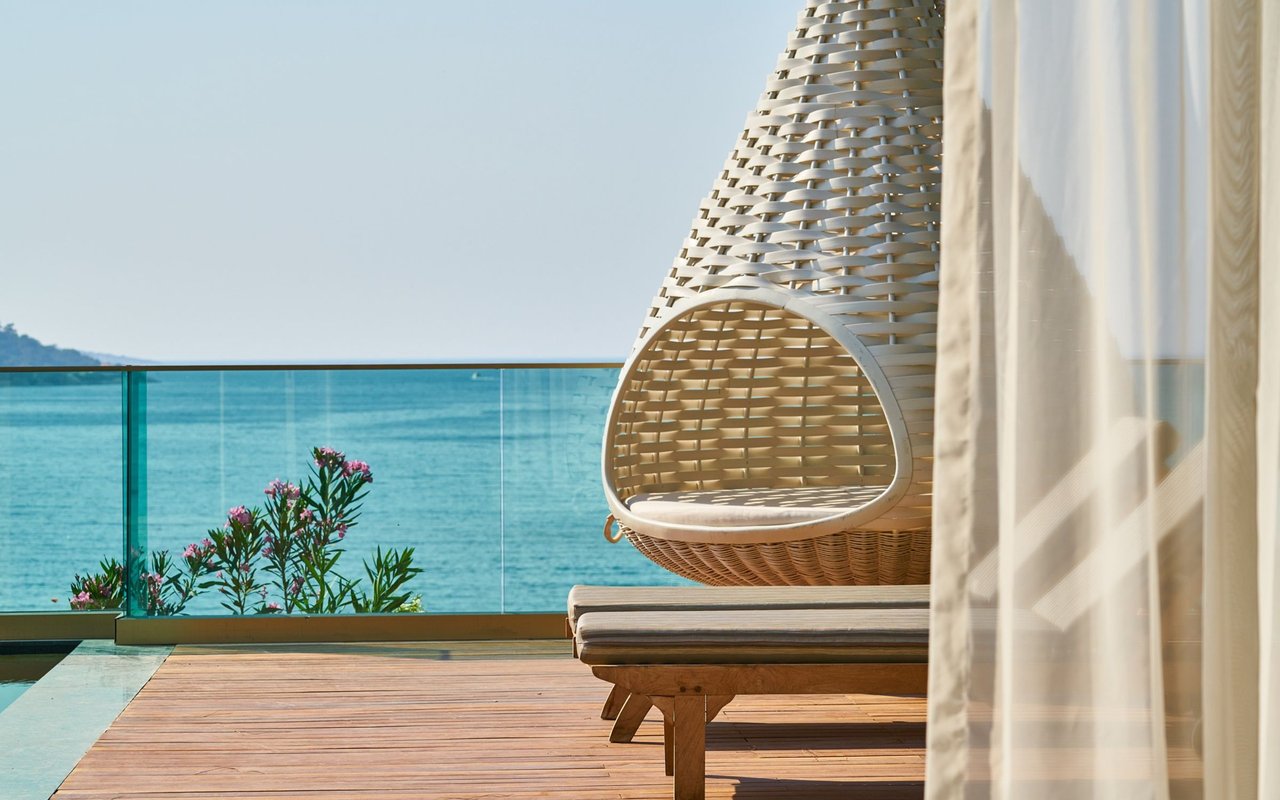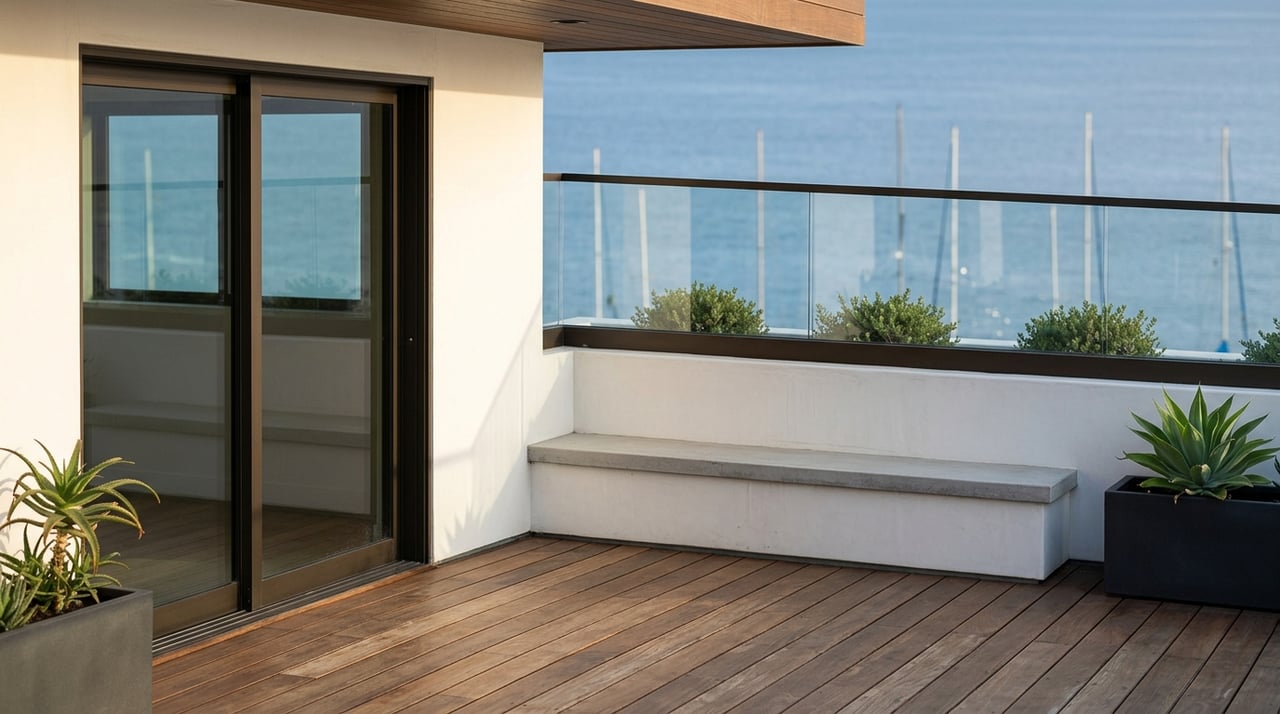
If you picture waterfront living as a wide sandy beach outside your door, Point Loma may surprise you. This part of San Diego offers a more layered experience, where marinas, cliffs, promenades, tidepools, and cultural spots all shape daily life in different ways. If you are trying to understand what it actually feels like to live near the water here, this guide will help you picture the rhythms, moods, and tradeoffs that make Point Loma distinct. Let’s dive in.
Point Loma Has More Than One Waterfront Feel
Point Loma is a peninsula bordered by the Pacific Ocean on the west and south and San Diego Bay on the east. The City of San Diego identifies several distinct subareas within the Peninsula community, which helps explain why the experience can shift so much from one part of Point Loma to another.
That means waterfront living here is not one-note. In a single day, you can move from a marina setting with walking paths and boat traffic to dramatic coastal bluffs with open horizon views, then end the evening in a lively cultural district without leaving the peninsula.
Bay Side Living Feels Social and Active
On the bay side, Shelter Island and Harbor Island create a waterfront lifestyle centered on movement, views, and easy routines. This is where Point Loma feels most connected to boating culture, waterfront dining, and after-work activity.
Instead of a traditional beach scene, the bay side gives you promenades, marinas, and public spaces designed for lingering. The pace often feels relaxed, but not sleepy.
Shelter Island Feels Like a Marina Neighborhood
Shelter Island is known for its tropical, nautical atmosphere, resort hotels, restaurants, public art, and strong sailing culture. Its boat launch offers close access to the Pacific Ocean, which helps make the area feel especially tied to fishing, boating, and steady day-to-night water activity.
In everyday life, Shelter Island works more like a waterfront promenade than a beach destination. The area includes a mile-long bayside promenade, a fishing pier, a boat ramp, picnic areas, and paths for strolling, hiking, and skating.
That setup shapes the mood in a practical way. You are more likely to picture morning walks, sunset bay views, and watching boats move in and out of the harbor than laying out on the sand for the day.
Evenings Stay Lively on Shelter Island
One of the biggest differences in Point Loma waterfront living is what happens after sunset. Shelter Island often stays active into the evening, especially with waterfront dining and live entertainment nearby.
Humphreys Concerts by the Bay is a 1,400-seat outdoor theater on San Diego Bay that has hosted major acts since 1982 and typically runs from April through October. That gives the bay side a social rhythm that feels built for dinner, music, and nights by the water.
Harbor Island Feels Open and Linear
Harbor Island offers a related but slightly different waterfront experience. The Port of San Diego describes it as a place for paddle boarding, biking along the shore, sailing, strolling along the bay, and enjoying evening drinks.
Compared with Shelter Island, Harbor Island tends to feel more open and shoreline-focused. The vibe is less about a compact marina setting and more about moving along the water and taking in the bay views.
Ocean Side Living Feels Scenic and Exposed
If the bay side feels social and marina-centered, the ocean side feels more dramatic and contemplative. Sunset Cliffs and Cabrillo National Monument bring a very different kind of waterfront experience.
This side of Point Loma is shaped by bluffs, tidepools, trails, and wide views. It feels more nature-forward and more connected to the raw edge of the coastline.
Sunset Cliffs Is About Atmosphere First
Sunset Cliffs Natural Park is a 68-acre park along the Pacific known for coastal bluffs, arches, sea caves, and panoramic ocean views. The setting is defined by cliffs and horizon lines rather than a sandy beach.
That matters if you are trying to imagine daily life here. Sunset Cliffs tends to feel ideal for repeat walks, scenic overlooks, and evenings built around the changing light over the water.
The area is beautiful, but it does not function like a classic swim-and-surf beach. San Diego Tourism Authority notes that Point Loma is known for wave watching, cliff views, and tidepool exploration, and also notes that the area does not offer swimming or a sandy beach.
Cabrillo Adds History and Trails
At the southern tip of the peninsula, Cabrillo National Monument adds another layer to the waterfront experience. The 160-acre site includes cliffs facing both the bay and the Pacific, a half-mile Oceanside Trail, tidepools, the Old Point Loma Lighthouse, and a whale watch overlook.
Living near this part of Point Loma can feel especially tied to place. You are not just near the water. You are near one of San Diego’s most scenic and historically significant coastal landmarks.
The National Park Service also notes that fog, low clouds, or mist can appear at any time of year. For many people, that is part of the coastal identity here, adding texture and mood to the landscape rather than taking away from it.
Liberty Station Makes Waterfront Life Feel Connected
One reason Point Loma appeals to so many buyers is that waterfront living here does not feel isolated. The peninsula includes Liberty Station, Point Loma Village, Roseville, and other distinct subareas, which gives the community more depth than a shoreline-only identity.
Liberty Station, in particular, adds a strong cultural and social layer. The area is described as a former Naval Training Center turned urban village with an Arts District, public market, restaurants, shops, and recreation.
You Can Stay Local Without Staying on the Water
That mix changes how waterfront living feels in practice. When you want a break from bay views or cliff walks, you do not have to leave Point Loma to find something engaging to do.
The Arts District at Liberty Station includes more than 100 galleries, museums, artist studios, restaurants, retail spaces, and event venues. There are also annual festivals, public art, a historic golf course, and a seasonal holiday ice rink.
For you as a buyer, that means Point Loma offers a second gear. A waterfront morning can turn into lunch at the market, an afternoon of errands or browsing, and an evening out, all while staying rooted in the same peninsula lifestyle.
The Waterfront Rhythm Changes by Area
One of the most important things to understand about Point Loma is that the mood changes by shoreline and sometimes by block. That is a big reason buyers either fall in love with it quickly or realize they were expecting something different.
Here is a simple way to think about the main waterfront personalities in Point Loma:
| Area | General Feel | Best Known For |
|---|---|---|
| Shelter Island | Social and marina-centered | Promenade, boat traffic, dining, concerts |
| Harbor Island | Open and active | Shoreline walks, biking, paddling, bay views |
| Sunset Cliffs | Scenic and dramatic | Bluffs, sunsets, tidepools, ocean outlooks |
| Cabrillo | Historic and nature-forward | Trails, lighthouse, tidepools, elevated views |
| Liberty Station | Cultural and lived-in | Arts, dining, market, events, recreation |
This variety is one of Point Loma’s biggest strengths. You are not choosing one narrow version of waterfront life. You are choosing access to several distinct experiences within the same community.
What a Typical Point Loma Weekend Can Feel Like
A lot of buyers want to know what daily life actually looks like, not just what the map says. In Point Loma, the most recognizable weekend rhythm often starts outdoors and ends socially.
You might begin with a walk at Sunset Cliffs or Cabrillo, where the focus is less on beachgoing and more on views, fresh air, and the changing coastline. Later, the day can shift toward Shelter Island for dinner, live music, or a walk along the bay, or toward Liberty Station for a meal, shopping, or an event.
That sequence helps explain the appeal. Point Loma lets you move between scenic calm and social energy without needing to travel far.
What Buyers Should Know Before Romanticizing It
Point Loma waterfront living is easy to idealize, but it helps to understand what you are actually getting. The lifestyle here is beautiful, but it is specific.
First, this is not a classic sandy beach lifestyle. The bay side is centered on marinas, promenades, and waterfront activity, while the ocean side is defined by cliffs, overlooks, and tidepools.
Second, the experience changes noticeably depending on where you are. Shelter Island can feel resort-like and event-oriented, Harbor Island more active and linear, Sunset Cliffs more exposed and scenic, and Cabrillo more historic and nature-driven.
Third, coastal conditions are part of the package. Fog, low clouds, mist, and steep scenic terrain all contribute to the atmosphere that makes Point Loma feel the way it does.
Why Point Loma Stands Out
What makes Point Loma special is not just that it is on the water. It is that the waterfront here comes with range.
You get marina energy on one side, dramatic coastal scenery on the other, and a cultural core in the middle that keeps the peninsula feeling lived-in. For many buyers, that balance is exactly what makes Point Loma more interesting than a place that delivers only one version of coastal living.
If you are exploring Point Loma and want guidance grounded in local perspective, Josh Higgins can help you understand how each part of the peninsula lives day to day and what that means for your next move.
FAQs
Does Point Loma feel more like a marina neighborhood or a beach neighborhood?
- Point Loma generally feels more like marina-and-cliff living than a traditional beach neighborhood, with Shelter Island and Harbor Island bringing boating energy and Sunset Cliffs and Cabrillo offering scenic shoreline views.
Where do people spend evenings near the water in Point Loma?
- Many people head to Shelter Island for waterfront dining and concerts, Harbor Island for bayfront walks and drinks, or Liberty Station for restaurants, public art, and events.
What is waterfront recreation like in Point Loma?
- Waterfront recreation in Point Loma often centers on walking, boating, fishing, biking, paddling, tidepool visits, and scenic overlooks rather than swimming at a sandy beach.
Does Point Loma have a classic sandy beach lifestyle?
- Point Loma is better known for marinas, cliffs, tidepools, and waterfront promenades than for a wide, swimmable sandy beach experience.
What makes Point Loma different from other waterfront areas in San Diego?
- Point Loma stands out because it combines bayfront marinas, dramatic ocean bluffs, historic coastal sites, and cultural destinations like Liberty Station within one peninsula community.