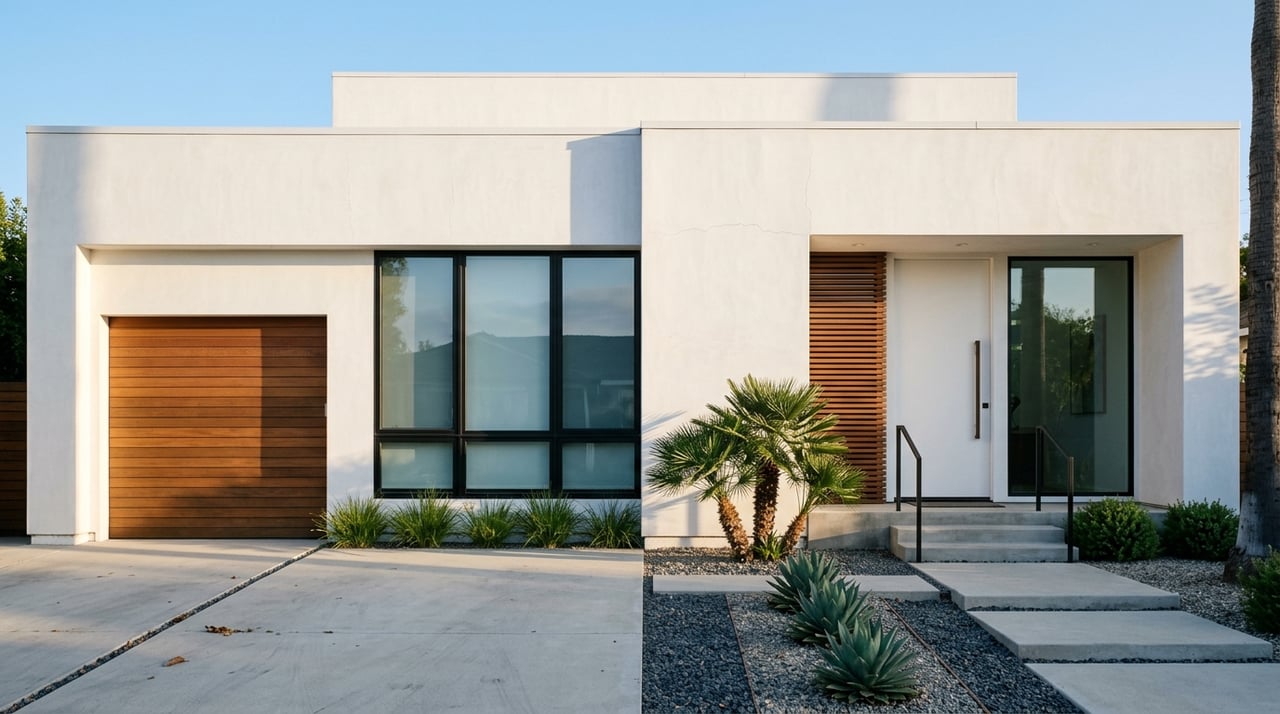
If you are thinking about selling your La Jolla home, it is easy to assume you need a major remodel to compete. In reality, this market often rewards smart preparation more than big, speculative construction. With La Jolla homes selling at a median price of about $2.4 million, a 97.8% sale-to-list ratio, and 24.2% of listings seeing price drops, the goal is usually to reduce buyer objections and sharpen presentation, not overbuild for the block. Let’s dive in.
Why strategy matters in La Jolla
La Jolla is a premium market, but that does not mean buyers ignore condition. Buyers still compare your home to other available options, and even in a high-value area, dated finishes, deferred maintenance, or weak presentation can create friction.
That matters even more in a neighborhood the City of San Diego describes as about 99% built out. Because most opportunity comes through resale and infill rather than large-scale new development, buyers often focus on how well an existing home shows today rather than on what it could become years from now.
Start with a cosmetic-first plan
For most sellers, the strongest pre-sale renovation strategy starts with the basics. National remodeling and staging data point to painting, cleaning, decluttering, curb appeal, and staging as the most defensible first moves before listing.
This approach fits La Jolla well. If your home already has a solid layout and location, a clean, bright, move-in-ready presentation can do more for your sale than a long, expensive renovation with uncertain payoff.
The highest-priority first steps
Focus first on improvements that remove distraction and help buyers connect with the home:
- Deep cleaning throughout
- Decluttering and depersonalizing
- Fresh interior paint where needed
- Basic exterior touch-ups and curb appeal
- Lighting updates if rooms feel dim or dated
- Flooring refresh if wear is obvious
- Professional staging and strong listing media
These are not flashy changes, but they are often the most effective. According to NAR’s 2025 staging research, 83% of buyers’ agents said staging made it easier for buyers to picture a property as their future home, and 49% said staged homes reduced time on market.
Focus on the rooms buyers notice most
Not every room carries equal weight when you are deciding where to spend money. NAR’s staging report found that buyers respond most strongly to the living room, primary bedroom, and kitchen.
That means your budget should usually follow buyer attention. If those spaces feel fresh, functional, and visually calm, the entire home tends to show better.
Living room
Your living room often sets the tone for the rest of the showing. Clear out excess furniture, simplify the layout, and make sure the space feels bright and easy to walk through.
In La Jolla, many homes benefit from emphasizing natural light, indoor-outdoor flow, and clean sightlines. You do not need to create a new room. You need to make the existing one feel effortless.
Primary bedroom
Buyers want the primary bedroom to feel restful and spacious. Neutral bedding, reduced furniture, fresh paint, and thoughtful lighting can go a long way.
This is also a space where deferred maintenance stands out fast. Worn flooring, outdated window coverings, or damaged trim can make the room feel less cared for, even if the rest of the home shows well.
Kitchen
The kitchen is often where sellers are tempted to overspend. A full custom remodel is not always necessary before listing, especially if the home is already broadly in line with comparable properties.
Instead, look at targeted upgrades that improve the visual impression without turning the project into a full construction job. Cabinet paint or hardware, updated lighting, refreshed counters in some cases, and new appliances where needed can make a dated kitchen feel far more market-ready.
When bigger upgrades make sense
A cosmetic-first strategy does not mean you should avoid all larger projects. If your home is clearly behind neighborhood expectations, selective improvements can be worthwhile.
NAR’s 2025 Remodeling Impact Report points to strong seller interest and buyer demand around kitchen upgrades, bathroom renovations, and new roofing. It also gave a new steel front door the highest reported cost recovery at 100%, making the entry sequence a smart place to consider a focused update.
Signs your home may need more than a refresh
A larger pre-sale project may make sense if:
- The kitchen or baths are meaningfully dated compared with recent comparable sales
- The roof shows visible wear or creates inspection concerns
- Flooring condition is a recurring negative in buyer feedback
- The front entry feels noticeably weaker than nearby competing homes
- Deferred maintenance is likely to affect pricing or negotiation leverage
The key is to stay comp-driven. In a market with a 24.2% price-drop rate, it is important to match improvement dollars to what buyers are actually rewarding in your part of La Jolla.
How to avoid over-improving
The biggest renovation mistake before selling is treating the project like a personal dream remodel. Once you are preparing to list, the question is not what you would love. It is what the market will support.
That is why local comparable sales matter so much. If nearby homes are commanding strong prices with tasteful cosmetic updates, a full gut renovation may not improve your net result enough to justify the cost, time, and risk.
Use these filters before spending
Before committing to a project, ask:
- Will this fix a clear buyer objection?
- Will buyers see it immediately in photos and showings?
- Is the home currently below the standard of competing listings?
- Can the work be completed within the ideal listing timeline?
- Does the likely value support the cost?
In La Jolla, smaller upgrades often outperform oversized renovation plans because they improve marketability without dragging the listing schedule into permit review, contractor delays, or changing buyer preferences.
Understand permits and coastal review early
Timing can make or break a pre-sale renovation plan in La Jolla. San Diego exempts many minor improvements from permits, including painting, wallpapering, flooring, cabinets, some door and window replacements where the rough opening stays the same, and simple re-roofing without structural changes.
But some projects are not that simple. Exterior changes, structural work, and some roof modifications may require permits, and properties in the Coastal Overlay Zone may need a Coastal Development Permit before a construction permit is issued.
Why this matters in La Jolla
La Jolla’s coastal location can add review time, even for work that seems modest at first glance. If your pre-sale plan includes exterior elements, roof changes, patio cover work, or anything that alters structure, you should evaluate permit needs before building your listing calendar.
This is one reason cosmetic-first planning is often the better path. It keeps your timeline tighter and reduces the chance of missing your target launch window.
Build your timeline backward from listing day
If you want to sell in spring or another high-activity period, do not start renovations and hope the timing works out. Start with your desired list date, then work backward.
That approach helps you separate must-do items from nice-to-have ideas. It also protects you from getting stuck in a longer project while the market window you wanted begins to pass.
A simple planning framework
If you have 6 to 18 months before listing, a practical sequence looks like this:
- Assess condition against recent local comps
- Prioritize cleaning, decluttering, paint, and curb appeal
- Identify any high-friction issues in kitchen, baths, roof, or flooring
- Confirm whether any exterior or structural work may trigger permits
- Schedule staging, photography, and listing preparation as part of the plan
This is best viewed as a sequencing problem, not a blank-check remodel. The order of work matters almost as much as the work itself.
Treat staging as part of the renovation budget
One of the most common mistakes sellers make is separating renovation from presentation. In practice, the two work together.
If you spend on updates but skip staging or listing media quality, buyers may not fully register the improvement. NAR data shows that photos, physical staging, videos, and virtual tours all play an important role in helping buyers connect with a home.
For a La Jolla listing, that means your budget should usually include:
- Selective repairs or cosmetic upgrades
- Professional staging
- Strong photography and video assets
- A coordinated go-to-market plan
That complete presentation often delivers a better result than putting every dollar into construction alone.
When Compass Concierge can help
Some sellers want to make meaningful pre-sale improvements but do not want to front the cash before closing. In that situation, Compass Concierge can be a useful tool.
According to the program details, Compass Concierge can front the cost of services such as painting, flooring, landscaping, staging, kitchen improvements, and bathroom improvements, with repayment triggered when the home sells, the listing ends, or 12 months pass. This can give you flexibility when the right pre-sale work is clear, but the timing of out-of-pocket costs is less appealing.
For sellers in La Jolla, that can be especially helpful when the goal is to fund visible, high-impact prep work without turning the sale into a major cash project upfront.
The smartest La Jolla renovation plan is usually selective
In a market like La Jolla, the best pre-sale renovation strategy is rarely the biggest one. It is the one that removes objections, reflects neighborhood expectations, respects permit realities, and supports a strong launch.
That usually means starting with presentation, then making selective upgrades only where the home clearly needs them. When you combine data, design judgment, and a clear timeline, you put yourself in a much better position to protect price and reduce friction.
If you are weighing what to update before selling in La Jolla, Josh Higgins can help you build a comp-driven plan that balances renovation, design, timing, and presentation.
FAQs
What are the best pre-sale renovations for a La Jolla home?
- For many La Jolla homes, the strongest first steps are deep cleaning, decluttering, fresh paint, curb appeal, and staging, followed by targeted updates to kitchens, baths, roofing, or flooring only if the home is clearly dated.
Which rooms matter most when preparing a La Jolla home for sale?
- Buyers tend to focus most on the living room, primary bedroom, and kitchen, so those spaces usually deserve the highest priority in your prep budget.
Do I need permits for pre-sale renovation work in La Jolla?
- Many cosmetic improvements in San Diego are permit-exempt, but exterior changes, structural work, some roof modifications, and projects in the Coastal Overlay Zone may require additional review or permits.
How can I avoid over-improving my La Jolla house before listing?
- Compare your home to recent local sales and competing listings, then focus on updates that solve visible buyer objections instead of investing in highly customized remodels with uncertain return.
When should I start preparing my La Jolla home for sale?
- If possible, start planning 6 to 18 months before listing so you have time to handle cosmetic work, evaluate selective upgrades, confirm permit needs, and coordinate staging and media without rushing.
When does Compass Concierge make sense for a La Jolla seller?
- It can make sense when you want to complete visible pre-sale improvements like paint, flooring, landscaping, staging, or targeted kitchen and bath work without paying the full cost upfront before closing.