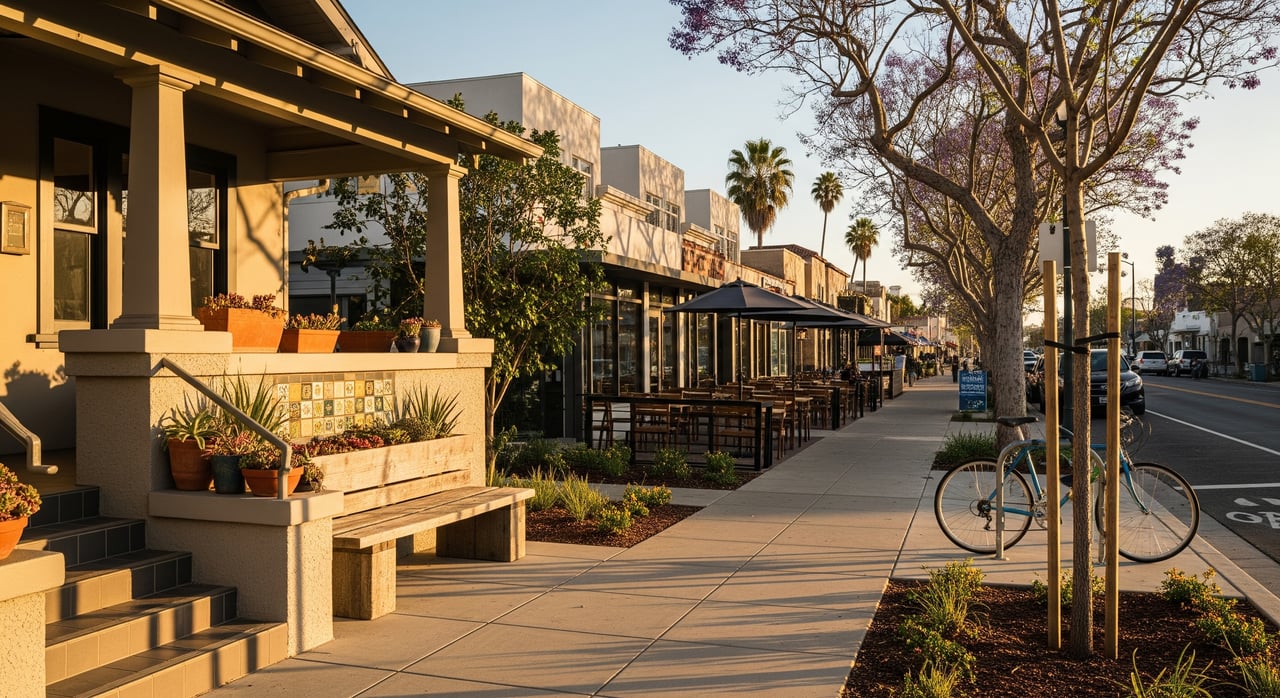
Is North Park’s walkability really worth the premium? If you love stepping out for coffee, grabbing dinner without a car, or jogging into Balboa Park, the answer is often yes. But the price you pay varies block by block, and the trade-offs are real. In this guide, you’ll learn how proximity to 30th Street, University Avenue, Balboa Park, and transit can shape demand, price, and day-to-day living so you can buy with confidence. Let’s dive in.
What walkability means in North Park
Walkability in North Park is all about short, easy access to daily essentials and favorite hangouts. The core stretches along the 30th Street corridor between Upas Street and Howard Avenue. Here you find a dense cluster of independent restaurants, bars, breweries, and specialty coffee. It is the highest-intensity pedestrian node in the neighborhood.
University Avenue forms the primary east–west spine with continuous dining, cafes, small shops, and frequent bus service. El Cajon Boulevard marks the neighborhood’s north edge in many spots, mixing residential buildings with service retail and eateries. Access to Balboa Park and Morley Field on the south and southeast sides adds a major green space benefit for trails, dog areas, fields, and weekend recreation.
Why buyers pay for proximity
Walkable homes sell to buyers who prize daily convenience. Being able to stroll to coffee or dinner increases utility and often pushes up price per square foot. These blocks attract a broad lifestyle buyer pool, which can lead to faster market times and stronger pricing.
That demand is not one-size-fits-all. More central blocks come with added noise and tighter parking. A few streets away, you may trade some convenience for calmer nights and better private outdoor space. In North Park, these differences show up within 2 to 5 blocks.
Coffee and casual dining
Everyday amenities carry outsized weight because they shape your daily routine. Many buyers will pay more to be within a 3 to 8 minute walk of two or three distinct coffee shops or cafes. That short walk reduces friction and increases satisfaction.
Evening dining and craft breweries
Concentrated restaurants and bars boost foot traffic and visibility, which draws buyers who want an urban vibe. The trade-off is nighttime activity, especially on weekends. If you value quiet evenings, you may prefer nearby residential blocks slightly off the core.
Parks and green space
Balboa Park and Morley Field access creates a different premium. Adjacency or a sub-10-minute walk adds real value for buyers who prioritize recreation, open space, and dog-friendly routines. Homes directly adjacent to the park often command the highest premiums within this category.
Transit corridors
Frequent, direct bus routes make car-lite living more realistic and widen a property’s buyer pool. In North Park, service concentrates along University Avenue, El Cajon Boulevard, and 30th Street. There is no Trolley station in the dense core, so riders connect by bus or car to nearby stations. Properties a short walk from a frequent route can benefit, while homes fronting the busiest boulevards may see discounts due to noise and traffic.
Micro-pocket comparisons buyers actually face
Below are real-world contrasts you will weigh when choosing between nearby blocks. In North Park, these micro shifts matter.
30th & University vs. two blocks east (31st–32nd)
- At 30th & University
- Walk access: 0 to 3 minutes to multiple coffees, restaurants, and breweries.
- Housing: mixed-use buildings, small condos, and upstairs apartments above retail.
- Appeal: strong for walk-first buyers who want nightlife at their doorstep.
- Trade-offs: higher ambient noise, limited private outdoor space, tight parking.
- 31st–32nd Streets (two blocks east)
- Walk access: 5 to 8 minutes to the same corridor; quieter residential feel.
- Housing: Craftsman bungalows, small apartments, and low-rise condos.
- Appeal: buyers who want walkability plus calmer evenings and more space.
- Trade-offs: slightly longer walk but improved parking and yards.
Near Balboa Park/Morley Field vs. near El Cajon Boulevard
- Park-adjacent south/southeast blocks
- Walk access: direct entry to trails, fields, and open space in 5 to 10 minutes.
- Pricing signal: premium for adjacency, especially for single-family homes.
- Trade-offs: fewer immediate storefronts than 30th but quieter, more open feel.
- North side near El Cajon Boulevard
- Walk access: mixed commercial uses with some walkable pockets.
- Pricing signal: generally lower price per square foot than park-adjacent areas, with more rental and mixed-use inventory.
- Trade-offs: easier vehicle access at times and lower prices, but fewer “third places” clustered together.
Condo on 30th vs. bungalow three blocks east
- Newer infill condo on 30th
- Walk access: 1 to 4 minutes to cafes and bars.
- Attributes: lock-and-leave living, possible gym or rooftop, lower maintenance.
- Pricing: higher price per square foot; HOA dues shape monthly cost.
- Buyer type: urban professionals, frequent travelers, minimal yard needs.
- Craftsman bungalow three blocks east
- Walk access: 6 to 9 minutes to 30th Street.
- Attributes: private yard, more square footage, sometimes off-street parking.
- Pricing: higher total price at times but lower price per square foot.
- Buyer type: those who prioritize indoor-outdoor living and quieter blocks.
How to size the premium on a specific address
You can quantify walkability value with simple, repeatable checks:
- Walk times: Measure minutes to two coffee shops and at least three restaurants. Under 5 minutes signals high convenience.
- Park access: Time the walk to Balboa Park or Morley Field. Under 10 minutes is a strong premium; adjacency is the top tier.
- Transit: Note the nearest frequent bus stop and the peak headways. Confirm routes and times before you buy.
- Parking and storage: Look for a garage, off-street parking, or permit zones. These features offset corridor parking pressure.
- Product type and fees: Compare unit size, outdoor space, and HOA dues. Smaller, central units often trade at higher price per square foot than larger homes a few blocks away.
Common trade-offs to expect
- Noise vs. convenience: Closer to 30th and University typically means more activity, especially at night.
- Parking: Expect tighter curb availability near the core. Dedicated parking commands a premium.
- Space: Condo living often means less private outdoor space but shorter walks.
- Competition: Highly walkable listings can move quickly and attract multiple offers.
Pricing and negotiation tips
- For buyers who prioritize walkability
- Be ready to act quickly when a well-located unit hits the market.
- Focus on your daily routine. If coffee and dinner walks matter most, pay for under-5-minute walk times and accept trade-offs like HOA dues or less yard.
- Consider a quieter side street near the corridor for a balanced profile.
- For buyers who want space and calm
- Target residential blocks 2 to 4 streets off the core for better parking and yards.
- Use any corridor noise or parking constraints as negotiation points on busier frontages.
- For sellers
- If you are on or near the corridor, document concrete walk times to coffee, dining, parks, and transit to justify your premium.
- If you are slightly off-corridor, highlight quiet streets, parking, and outdoor space to reach a different buyer pool.
- Price using comps within 0.25 to 0.5 miles and compare by walk times to the same amenities.
Where the map matters most
In North Park, premiums are hyper-local. The 30th and University core behaves like a small urban center, and one or two blocks can shift your experience. South and southeast blocks near Balboa Park reward buyers who want green space access. North-side areas near El Cajon Boulevard trade a bit of the cafe cluster for lower pricing and easier driving.
If you love to walk for your morning espresso, being under 5 minutes to multiple options is often where you feel the difference every day. If you live for trail runs and open fields, park adjacency can be worth it. If you want both, a quiet block just off 30th or near Morley Field can be the sweet spot.
Tools to verify your hunches
- Walk Score and Transit Score to compare addresses at a glance.
- Google Maps for walking times and Street View to gauge storefront density and sidewalk feel.
- San Diego MTS trip planner to confirm peak headways and connections.
- City of San Diego planning documents to understand zoning and potential future supply near key corridors.
Use these side by side with recent local comps and you will see how the premiums show up within a 0.25 to 0.5 mile radius.
Ready to find your North Park fit?
Buying in North Park is all about choosing your micro-pocket with intention. Clarify the 3 to 5 places you want to reach by foot most days, then weigh that against noise tolerance, parking, and outdoor space. A few blocks can change your daily rhythm and your price per square foot.
If you want a guided, data-forward search that balances lifestyle with resale value, connect with The Higgins Group. Our team pairs neighborhood expertise with design and renovation insight to help you buy the right home in the right pocket. Reach out to Josh Higgins to start your plan.
FAQs
How does walkability affect North Park prices?
- In North Park, homes within a 3 to 5 minute walk of major clusters like 30th and University often see higher demand and stronger pricing than similar homes 6 to 12 minutes away.
Is living next to Balboa Park worth the premium?
- If you value recreation and open space, park adjacency typically commands a premium, and that premium tends to decrease with each additional block from the park.
Do homes on busy transit corridors hold value better?
- Proximity to frequent, direct bus routes can widen a home’s buyer pool, but frontage on the busiest boulevards may trade at a discount compared with quieter nearby blocks due to noise and traffic.
How do I compare a condo on 30th to a bungalow a few blocks away?
- Weigh price per square foot against total budget and lifestyle. Condos near the core often cost more per square foot but offer shorter walks and lower maintenance, while bungalows a few blocks east provide more space and yards at a lower price per square foot.