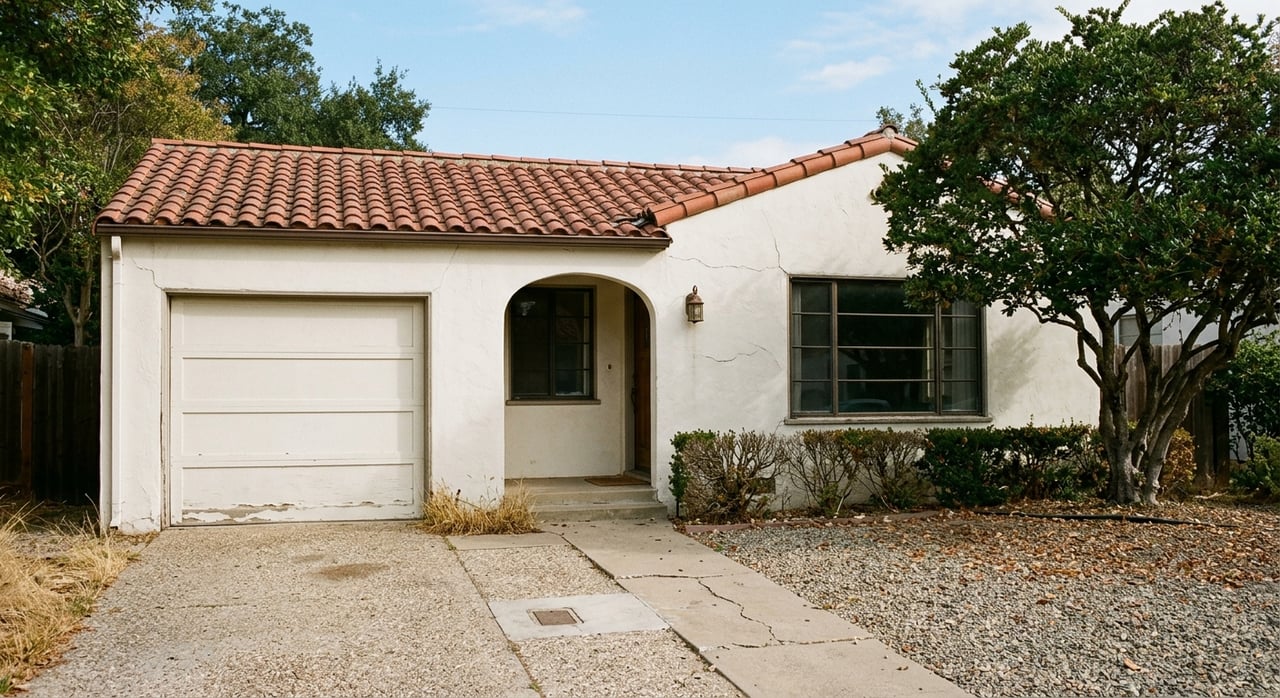
Wondering if a North Park fixer upper is a smart play or a money pit? You are not alone. In a neighborhood known for older, character-rich homes, the upside can be real, but so can the surprises. If you are thinking about buying, renovating, or evaluating resale potential in North Park, this guide will help you spot the opportunity, understand the risks, and make a more confident plan. Let’s dive in.
Why North Park draws fixer-upper buyers
North Park stands out because much of its housing stock is older, and the area includes hundreds of classic Craftsman houses along with a mix of single-family homes, multi-family housing, and commercial corridors. In practical terms, that gives buyers a chance to improve homes with strong character rather than trying to create value from a blank slate.
That older built environment is a big reason fixer uppers can make sense here. Many properties offer room to improve layout, finishes, curb appeal, and major systems. For buyers who can look past dated surfaces, North Park can present real value-add potential.
What value-add often looks like
In North Park, fixer-upper projects are often less about tearing everything down and more about updating what is already there. A lot of homes may have older finishes, legacy systems, or layouts that no longer match how people live today.
Common improvement plans often include:
- Kitchen refreshes
- Bathroom updates
- Floor refinishing
- Roof repair
- Exterior paint
- Window replacement
- Electrical upgrades
- Mechanical and plumbing work
These projects can improve daily function and buyer appeal without pushing a property too far beyond what fits the block. In many cases, the smartest renovations are the ones future buyers notice right away and understand immediately.
Permits can change the math
One of the biggest mistakes fixer-upper buyers make is assuming a project is mostly cosmetic when it is actually permit-driven. In San Diego, permits are required for new construction, additions, remodeling, and repairs to electrical, mechanical, and plumbing systems.
That matters because a simple update can quickly expand once walls are opened or older systems are exposed. Your budget and timeline can change fast if hidden work turns into permitted construction.
If you are thinking about adding an ADU or JADU, you should also know there is no no-permit path for that in San Diego. The city requires a building permit, which means your value-add plan should be checked carefully before you remove contingencies or finalize your budget.
Historic review is a real North Park issue
North Park is not just old. It is also historically sensitive. The city has identified multiple potential historic districts in the community, and historic review may be required when a project involves a structure that is 45 years or older, a designated historic property, or a site within a designated historic district.
This can affect both scope and speed. Exterior changes in particular may face added review, and San Diego’s Simple Permit program is limited to properties outside historic districts or non-historically designated properties.
That does not mean you should avoid older homes in North Park. It means you should confirm a property’s status early and understand how that status could affect renovation plans, especially if your strategy depends on exterior changes, window replacement, additions, or major design updates.
Site conditions can add risk
North Park is a mesa-top community with canyon and hillside areas along parts of its northern and southeastern edges. Not every parcel has a site challenge, but some lots may require closer attention to slope, drainage, retaining walls, or foundation conditions.
That is especially important if you are comparing two homes with similar list prices but very different lot conditions. A house with a more complicated site may carry added costs that are not obvious during a quick showing.
Before moving forward, it is worth looking beyond finishes and asking practical questions about the lot itself. In some cases, site-related issues can matter just as much as the condition of the home.
Older-home hazards to take seriously
If a North Park home was built before 1978, lead-based paint is a real possibility. Renovation work can create hazardous lead dust, which is why lead-safe planning matters before any sanding, scraping, demolition, or repainting begins.
Asbestos is another concern in older properties. It cannot be identified by sight alone, so if a renovation may disturb suspect materials, sampling by a properly trained professional is the safer path.
These issues do not automatically kill a deal. They do mean that older homes need thoughtful due diligence, realistic budgeting, and the right specialists when the scope calls for them.
Which renovations tend to make sense
When you buy a fixer upper, it is easy to focus on your personal wishlist. But if resale value matters, the better strategy is usually to prioritize updates that are widely useful, highly visible, and appropriate for the home and neighborhood.
Recent remodeling data supports that approach. In the Pacific region, smaller and more visible improvements posted stronger modeled recoupment than large additions. Examples include steel entry door replacement at 205.4%, minor kitchen remodel at 129.1%, bath remodel at 91%, and wood window replacement at 87.3%. By comparison, a primary suite addition showed much lower modeled recoupment at 18.6%.
These are regional averages, not promises for any one North Park property. Still, the pattern is clear. Targeted, buyer-visible improvements often carry less risk than overbuilding.
A smart North Park renovation strategy
In many North Park homes, the safer play is to respect the home’s character while improving function, condition, and presentation. That often means focusing on updates that make the property feel cleaner, more efficient, and more move-in ready.
A practical strategy may include:
- Refreshing an older kitchen without fully reworking the footprint
- Updating bathrooms for a cleaner, more current feel
- Repairing or replacing a worn roof
- Refinishing original floors where possible
- Improving paint and exterior presentation
- Upgrading outdated electrical, plumbing, or HVAC systems
This kind of plan often aligns better with neighborhood character and buyer expectations. It can also help you avoid sinking too much money into additions or highly customized work that may not pay off later.
Due diligence before you remove contingencies
With a North Park fixer upper, early due diligence matters. A professional home inspection is an important first step, especially when a property may need repairs. If your contract includes an inspection contingency, you may be able to cancel without penalty if the results are not acceptable, or you may negotiate repairs or credits.
For an older home, a general inspection is often only the starting point. Depending on the age, condition, and renovation plan, you may also want specialty inspections or contractor input for:
- Roof condition
- Electrical systems
- Plumbing systems
- HVAC
- Foundation concerns
- Lead-related risks
- Asbestos-related risks
You should also confirm historic status and permit implications early in the process. In North Park, that step can influence whether your renovation is straightforward or significantly more complex.
Financing a North Park fixer upper
If you need financing for both the purchase and the renovation, a HUD 203(k) loan may be relevant for some buyers. The program can combine purchase or refinance costs with rehabilitation for a home that is at least one year old.
That said, the right financing structure depends on your lender, occupancy plan, and the scope of work. If you are considering a renovation loan, it helps to compare the financing path with the actual project timeline and permit realities before committing.
How to judge the opportunity clearly
A good North Park fixer upper is not just a house with old finishes. It is a property where the improvement plan, permit path, site conditions, and likely resale appeal all work together.
Before you move forward, ask yourself a few simple questions:
- Does the home need cosmetic work, system work, or both?
- Could historic review affect the renovation plan?
- Are there lot or foundation concerns tied to slope or drainage?
- Is the budget realistic once permits and hidden conditions are considered?
- Do the planned updates match what future buyers are likely to value?
If you can answer those questions clearly, you are in a much better position to spot real upside. In North Park, the best opportunities are often the ones with a clear value-add story, not just the lowest price.
Whether you are buying a project home, weighing renovation scope, or trying to understand what improvements are likely to add value, local guidance can save you time and costly missteps. If you want a sharper strategy for a North Park fixer upper, connect with Josh Higgins for thoughtful, design-aware real estate guidance.
FAQs
What makes North Park fixer uppers appealing to buyers?
- North Park has older, character-rich housing stock, including many classic homes, which can create opportunities to add value through thoughtful updates to finishes, layout, and major systems.
What renovation work usually needs permits in North Park, San Diego?
- In San Diego, permits are required for new construction, additions, remodeling, and repairs to electrical, mechanical, and plumbing systems, so many fixer-upper projects go beyond simple cosmetic work.
What historic review issues should buyers watch for in North Park?
- Historic review may be required if a property has a structure that is 45 years or older, is a designated historic property, or is located in a designated historic district, which can affect timelines and design choices.
What risks come with older homes in North Park?
- Older North Park homes may involve lead-based paint, possible asbestos, outdated systems, and site-related issues such as drainage, slope, retaining walls, or foundation concerns on some lots.
What renovations tend to offer better resale potential in North Park?
- Smaller, visible improvements like kitchen refreshes, bath updates, entry improvements, exterior work, and systems upgrades often make more financial sense than large additions that may overbuild for the property.
What inspections should buyers consider for a North Park fixer upper?
- Buyers should start with a professional home inspection and, depending on the property and renovation scope, may also need specialty evaluations for roof, electrical, plumbing, HVAC, foundation, lead-related concerns, or asbestos-related concerns.
What financing options may help with a North Park fixer upper purchase?
- For some buyers, a HUD 203(k) loan may help combine the purchase or refinance of a home with rehabilitation costs, as long as the property and project meet program requirements.