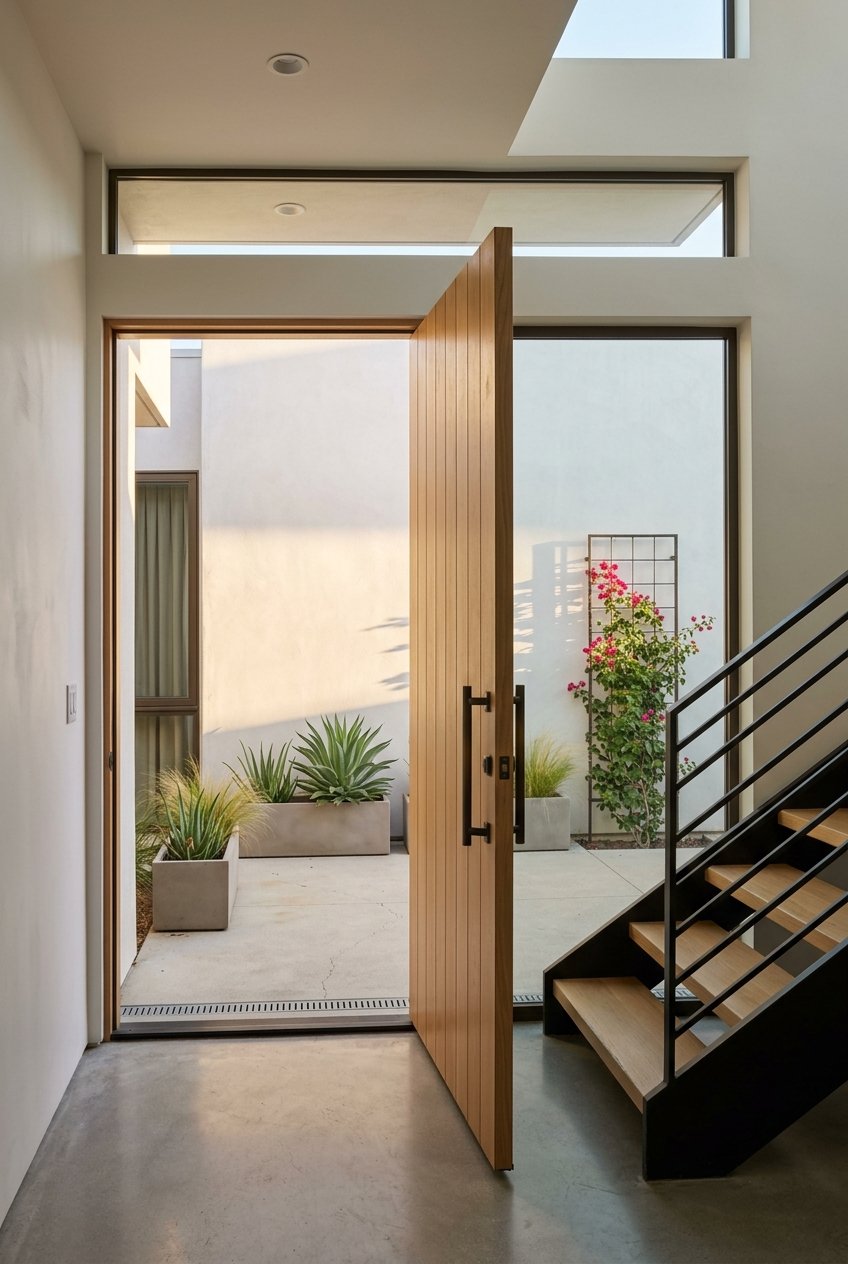
Choosing between a condo and a townhome in North Park can feel simple at first, until you realize the label on the listing may not tell you much. If you want the right balance of walkability, parking, privacy, outdoor space, and maintenance, you need to look deeper than the floor plan. This guide will help you compare the options in a way that fits how you actually want to live in North Park. Let’s dive in.
Why North Park changes the decision
North Park is an older, urban San Diego community with commercial corridors, multifamily housing, and surrounding single-family residential areas. The City of San Diego describes it as a dynamic urban community with a diversity of housing, and Balboa Park borders the neighborhood on the southwest.
That setting shapes what matters most when you buy an attached home here. In North Park, buyers often weigh walkability, parking access, and maintenance responsibilities more heavily than they might in a less urban area.
Parking is a major part of that conversation. According to the North Park Community Plan, both on-street and off-street parking are in high demand, especially in the Core area and along 30th Street and University Avenue.
That means a home that looks perfect online may feel very different once you factor in assigned spaces, guest parking, or the reality of daily street parking. In North Park, those details can have a big impact on your day-to-day experience.
Condo vs townhome in California
Before you compare properties, it helps to understand one key point in California real estate. A condominium is a legal form of ownership, while a townhome is mostly an architectural style.
The California Department of Real Estate explains that townhome-style homes are often two or more stories and arranged side by side rather than stacked. But those homes can be legally structured as either condominiums or planned developments.
That distinction matters because two homes can look very similar and come with very different ownership rules. One may include more owner responsibility for exterior maintenance, while another may place more of that responsibility on the homeowners association.
A condo is not always a stacked unit in a larger building, either. In California, some condominium projects can even include detached homes, which is why the deed and governing documents matter more than the exterior appearance.
Focus on what you actually own
In North Park, the smartest way to compare a condo and a townhome-style property is to ask a more useful question: what exactly are you buying?
The answer is not always obvious during a showing. The deed and the governing documents determine what is individually owned, what is common area, and what may be considered exclusive-use common area.
Exclusive-use common area can include features that many buyers assume are fully deeded, such as patios, balconies, yard areas, driveways, or parking spaces. So if outdoor space or parking is a top priority for you, it is important to confirm how those features are legally defined.
Compare layout and privacy
Many buyers are drawn to townhome-style homes because they can feel more like a house. They are often built vertically and side by side, which may create more separation from neighbors than a stacked layout.
Condos are more likely to have shared entries, shared systems, or neighbors above and below. That can still work very well if you want a compact footprint and a more lock-and-leave lifestyle.
Still, the label alone does not guarantee a certain level of privacy. Two attached homes in North Park may both be marketed as townhomes, but one may function more like a condo once you review the legal structure and maintenance setup.
Think carefully about outdoor space
Outdoor space matters in North Park, but not always in the way buyers expect. In a built-out urban neighborhood, private outdoor areas can be valuable, yet access to nearby parks and open space may also shape your decision.
North Park benefits from proximity to Balboa Park, along with neighborhood parks, canyons, and other open-space amenities noted in community planning documents. For some buyers, that makes a balcony or small patio enough.
For others, a larger yard area or more usable private exterior space may be worth prioritizing. The important step is confirming whether that patio, balcony, or yard is deeded ownership or exclusive-use common area governed by HOA rules.
Parking may be the biggest factor
In North Park, parking can be the detail that tips the scale between one property and another. The city’s community plan highlights strong parking demand, especially in the Core and near major commercial corridors.
Because of that, you will want to compare more than just the number of spaces. Look at whether parking is assigned, deeded, tandem, side by side, covered, or located behind a gate.
You should also ask about guest parking and how realistic street parking is for your routine. If you entertain often, commute daily, or rely on multiple vehicles, parking can matter just as much as square footage.
HOA dues and maintenance are not all the same
Many buyers assume a condo means low maintenance and a townhome means more owner responsibility. In California common-interest developments, that is not always true.
The homeowners association manages the association, collects assessments, pays bills, and enforces rules, while the CC&Rs govern how the development operates. But maintenance obligations can vary widely from one project to another.
In some townhome-style properties, the HOA may handle only selected shared elements. In others, the owner may be responsible for portions of the exterior, windows, patios, or other components that buyers often assume are covered.
That is why you should review what the monthly dues actually include. A lower HOA fee is not always the better value if it means more direct maintenance costs or a greater chance of deferred repairs later.
Reserve strength matters in older communities
North Park’s older housing stock makes reserve planning especially important when you are buying into a common-interest development. California reserve-study guidance notes that reserve studies are intended to show financial strength and help associations avoid deferred maintenance and unexpected special assessments.
In practical terms, that means you should look beyond the monthly dues number. A well-run association should have a clearer plan for future non-annual maintenance and major repairs.
If reserves are weak, you may face added costs later through special assessments or postponed repair work. This is one of the clearest areas where careful document review can protect your budget.
A simple North Park buyer-fit guide
If you are trying to narrow your options, start with your daily lifestyle. In North Park, the best fit often comes down to how you want to live, not just how a property is marketed.
A condo may fit you if:
- You want a compact urban footprint
- You are comfortable with shared common areas or systems
- You want to stay close to North Park’s commercial corridors
- You prefer a setup where more maintenance may be handled collectively
A townhome-style home may fit you if:
- You want a more house-like feel
- You prefer more separation from neighbors
- You value the possibility of more outdoor or parking features
- You are willing to verify exactly what the ownership documents include
The biggest takeaway is simple: in North Park, the label matters less than the documents. What you own, what the HOA maintains, how parking works, and how the association plans for repairs will tell you much more than the listing headline.
Questions to ask before you commit
When you tour condos and townhome-style homes in North Park, keep your questions specific. A few targeted answers can save you from surprises later in escrow.
Ask these during showings and escrow
- Is the property legally a condo or a planned development?
- What is deeded ownership, and what is exclusive-use common area?
- Who maintains the roof, exterior siding, windows, balconies, patios, fences, landscaping, and driveway?
- What do the monthly dues cover?
- Are reserves adequately funded?
- Are special assessments or deferred repairs expected?
- Are there rental restrictions or unresolved violations in the governing documents?
- If this is new construction or a newly converted project, is there a Department of Real Estate public report to review?
California law requires sellers in common-interest developments to provide governing documents, assessment information, and certain other disclosures before transfer. If you want the HOA packet during escrow, request it early. Associations are required to provide requested CID documents within 10 days of mailing or delivery of a written request.
Make the decision with clarity
The right North Park property is the one that fits your routine, your budget, and your comfort level with maintenance and shared ownership rules. A stylish condo near the action may be ideal for one buyer, while a townhome-style home with more separation and a better parking setup may be the better long-term fit for another.
If you want help comparing the details that really matter, from parking and HOA structure to layout and resale considerations, working with a local team can make the process a lot clearer. For tailored guidance on buying in North Park, connect with Josh Higgins.
FAQs
What is the difference between a condo and a townhome in North Park?
- In California, a condo is a legal ownership form, while a townhome is usually an architectural style. In North Park, that means two similar-looking homes may have very different ownership and maintenance rules.
Why is parking so important when buying in North Park?
- The North Park Community Plan identifies high demand for both on-street and off-street parking, especially in the Core area and along 30th Street and University Avenue, so assigned spaces and parking layout can strongly affect daily convenience.
Can a North Park condo have private outdoor space?
- Yes. In California common-interest developments, features like patios, balconies, yard areas, driveways, and parking spaces may be classified as exclusive-use common area, so a condo can still include meaningful outdoor space depending on the project.
Do townhomes in North Park always have lower HOA involvement?
- No. A townhome-style property may still be part of a common-interest development with HOA rules and shared maintenance responsibilities, so you need to review the governing documents to know the actual setup.
What documents should you review before buying a condo or townhome in North Park?
- You should review the deed, CC&Rs, assessment information, reserve-related materials, and any HOA disclosure package, along with a DRE public report if the property is new construction or a newly converted project.