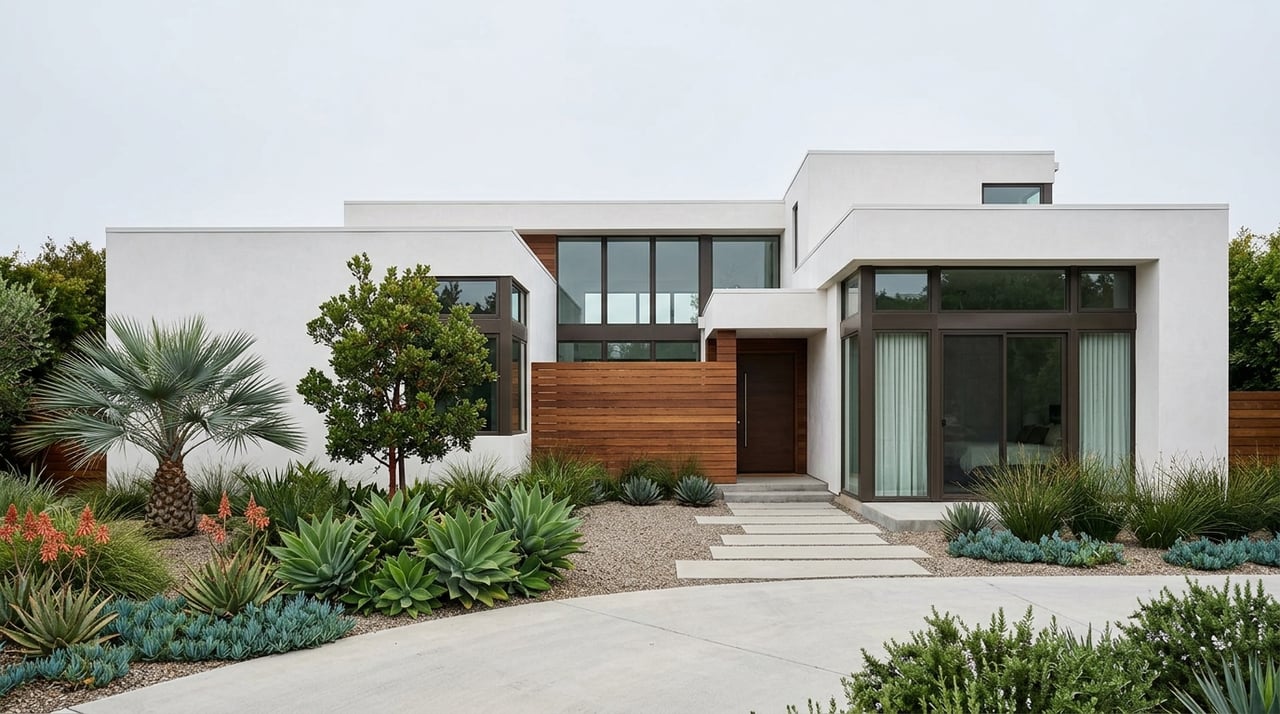
If you are thinking about buying or selling in Del Mar, the calendar matters more here than it does in many other San Diego markets. This is a coastal, visitor-driven city with year-round appeal, seasonal event traffic, and a small number of luxury sales that can make monthly trends look uneven. When you understand how seasonal demand really works in Del Mar, you can make better timing, pricing, and preparation decisions. Let’s dive in.
Why seasonality stands out in Del Mar
Del Mar has a different rhythm than a typical inland neighborhood. The city reports that its beaches are open year-round, lifeguards patrol 2.2 miles of beach, summer staffing expands as beach use rises, and the area sees roughly 3 million visitors each year. On top of that, the summer and fall racetrack meet and the annual county fair bring major regional attention.
That combination creates more seasonal visibility than you might expect in a small coastal market. More visitors, more activity, and more time spent in the area can translate into more buyer attention, especially from late spring into summer. Still, Del Mar does not fully slow down in winter because its appeal is not limited to one season.
What recent market data shows
San Diego County data shows a clear spring and early-summer ramp in buyer activity. In 2024, countywide sold listings increased from 858 in January to 1,304 in April, 1,263 in June, and 1,408 in July. During that same stretch, average days on market dropped from 37 in January to 26 in April and 27 in June before ticking up slightly to 29 in July.
Del Mar generally follows that pattern, but with more noise because the market is so small. In February 2024, detached homes in Del Mar recorded 7 sales, 28 average days on market, and a $2.449 million median price. By May 2024, detached sales rose to 14, median price reached $3.827 million, and days on market moved to 50.
By September 2024, detached sales were still strong at 15, with 59 days on market and a $3.315 million median price. That tells you something important: Del Mar can stay expensive even when homes take longer to absorb. More activity does not always mean instant sales.
Why Del Mar data needs context
This is a low-volume luxury market, so one or two sales can shift the monthly numbers in a noticeable way. That is why median price is often more useful than average price here, especially when a few high-end closings could skew the average. In Del Mar, monthly sales are often only in the single digits or low teens.
That also means citywide headlines only tell part of the story. A view property, a detached home, a condo, or a home in a specific pocket of Del Mar may behave differently from the broader market snapshot. The most useful read on the market usually comes from recent comparable sales that closely match the home type and location.
Best timing for Del Mar sellers
For most sellers, the strongest exposure window is usually before and during the spring-to-early-summer surge. That timing lines up with broader county sales trends, Del Mar's local sales counts, and the city's seasonal increase in beach and event traffic. If your goal is to capture the widest pool of active buyers, this is often the most favorable stretch of the year.
But timing alone is not enough. Public market snapshots show that Del Mar remains active, yet not every listing moves quickly. Realtor.com reported 71 homes for sale in April 2026, with a median listing price of $4.175 million, a median sold price of $3.175 million, and a median of 48 days on market.
Redfin's March 2026 snapshot showed a median sale price of $4.3 million, 112 average days on market, and 3 offers on average. It also reported that the average Del Mar home goes pending in about 68 days, sells for roughly 5% below list price, and that hot homes can go pending in about 17 days. These are separate snapshots with different methodologies, but together they support the same idea: standout listings can outperform the broader market, while weaker positioning can miss the moment.
What sellers should do before peak season
If you want to benefit from spring and early-summer demand, preparation should happen before the market gets busy. That means your home should be launch-ready, not still in progress, when buyers begin paying closer attention.
A strong pre-listing plan may include:
- Reviewing recent neighborhood and property-type comps
- Setting a pricing strategy based on relevant recent sales, not broad citywide headlines
- Completing targeted improvements before photography and showings
- Using staging or design-forward presentation to sharpen first impressions
- Finalizing marketing assets early so the home debuts in its best light
In a market like Del Mar, careful execution can matter as much as timing. A well-prepared home has a better chance of standing out when seasonal attention rises.
What buyers should know about seasonality
If you are buying in Del Mar, spring and summer often bring more visible market activity. You may see more listings and more overall movement, but that can also mean more competition for the best homes. In a market with limited inventory, that extra demand can compress decision timelines.
Off-peak months may offer a little more breathing room. But Del Mar is active year-round because of its beach setting, events, and steady appeal. Waiting for winter does not guarantee a bargain, especially when supply remains tight.
Should you wait for winter?
Only if you are flexible. The available data suggests that lower competition can help in slower periods, but Del Mar does not have enough inventory to make a reliable seasonal bargain strategy. If the right property comes up, it usually makes more sense to evaluate the home itself than to rely on the month alone.
Does summer always mean higher prices?
Not necessarily. Del Mar's data shows that spring often brings stronger buyer attention, but late-summer and fall closings can still be expensive. Because the number of sales is small, pricing patterns can look uneven from month to month.
A better takeaway is that spring tends to bring more visibility, while later in the year some homes may take longer to sell. Price still depends heavily on the specific property, its presentation, and the strength of the comparable sales behind it.
Why presentation matters in every season
In Del Mar, seasonality can influence attention, but presentation often shapes results. In a thin luxury market, buyers are comparing details closely. Design, condition, photography, and pricing discipline can all affect how quickly a home attracts interest and how strongly it performs.
That is especially true when average market times vary. If some homes are going pending in a few weeks while others sit much longer, the difference often comes down to how well the listing matches buyer expectations at its price point. Seasonal demand can create opportunity, but strong execution helps you capitalize on it.
For sellers, that may mean making focused updates before listing and building a strategy around a narrow comp set. For buyers, it means knowing that the best homes may still command attention in any season. In both cases, local context matters more than broad assumptions.
The bottom line on Del Mar seasonality
The clearest pattern in Del Mar is a burst of buyer attention from late spring into summer. That lines up with countywide market momentum and with the city's beach and event calendar. Even so, this is a small, high-end market where one or two sales can distort the monthly picture.
That is why the best decisions usually come from a mix of timing, property-specific comps, and thoughtful preparation. If you are selling, the right launch plan can help you take advantage of seasonal visibility. If you are buying, staying ready matters more than trying to predict a perfect month.
If you want a Del Mar strategy built around timing, presentation, and realistic market context, Josh Higgins can help you map out the next step.
FAQs
How does seasonal demand affect home sales in Del Mar?
- Seasonal demand in Del Mar usually brings the strongest buyer attention from late spring into summer, but the market stays active year-round and individual property factors still matter.
When is the best time to sell a home in Del Mar?
- For many sellers, the best time to list is just before or during the spring-to-early-summer surge, when buyer visibility tends to be strongest.
Do Del Mar homes always sell faster in summer?
- No. Summer often brings more attention, but Del Mar homes can still take time to sell, especially if pricing or presentation misses the mark.
Should buyers wait until winter to buy a home in Del Mar?
- Winter may bring slightly less competition, but limited inventory means waiting does not guarantee better pricing or better options.
Why are Del Mar monthly home prices sometimes uneven?
- Del Mar is a small luxury market, so a handful of high-end closings can noticeably shift monthly medians and make short-term trends look choppy.